Family Court Reform measures come into force


On Tuesday 17th September 2024, Drachma reached an important landmark in its existence: it passed the twenty-year mark. It has been quite a journey that has left us with a sense of gratefulness for the remarkable milestones reached through this brief period.
For those who have never heard of Drachma, this is an NGO working with LGBTI+ persons who wish to integrate their sexuality with their spirituality. It also includes parents of LGBTI+ persons who support other parents and families in offering unconditional love to all their children.
When Drachma started two decades ago, LGBTI+ activism in Malta was still in its infancy. Just a few years earlier, MGRM (the NGO advocating for the rights of LGBTQ+ individuals in Malta) had been established, and a couple of months before the first meeting of Drachma, the very first Pride march in Malta was organised. While the social climate in the country was still hostile to LGBT people, it was the ripe moment even internationally for groups like Drachma to be seeded. It may have been the milestone of EU accession, the advent of the internet, progressive social programmes on the television, or the spirit of enterprise and hope among the generation X youth who spearheaded many of the mushrooming voluntary organisations on the island. This is not to deny, of course, the efforts of people in older generations who had to face harsher taboos but still did a lot of groundwork that was useful in the first decade of the twenty-first century.
Relations with the Church were still rather frigid, and openly LGBTI+ persons were often ostracised within their religious communities. Still, even before the beginning of Drachma, in the early 2000s, leaders of MGRM had already managed to meet the then Archbishop Joseph Mercieca. These efforts paved the way for what would become a major thrust of Drachma’s work both locally and internationally.

Anyway, returning back to the story of Drachma: Tyrone Grima, then a young bisexual person, was – like many other LGBTI people of his generation – perturbed by the apparent void between his sexual identity and his deep Catholic faith. He felt the need to bridge that gap, and from that deep need, Drachma emerged.
In 2004, he contacted MGRM, and, with the help of leading activists Diane Xuereb and Sandro Mangion, he managed to organise a first meeting for what was then initially called the Gay Catholic Group. This was held at the Millennium Chapel complex in Paceville. In this respect both MGRM and the Millennium Chapel served as midwives. After a few months, though, it seemed that the initiative was about to die a stillbirth due to lack of initial interest. MGRM stepped back in and, through the help of Mario Gerada, meetings continued, with Mario taking over the coordination of the group till 2013.
Meetings were at first held in private settings, and almost in complete ‘undercover’. Most members were still not openly LGBTQ+. During these first meetings, held, figurately speaking, ‘in the catacombs’, the group formed itself as a safe space for people wishing to integrate their sexuality with their spirituality.

It was an invitation by a priest, Fr Savio Vella SDB, that helped the group get out of its shell and become more ‘public’ in its activities. He offered the use of the chapel at Osanna Pia, a Salesian convent in Sliema, where the group started meeting from 2005 onwards.
A couple of years later, a courageous invitation by Mario Gerada to the British theologian James Alison helped to further place the group on the local and international map. Alison, a gay priest and world-renowned theologian, accepted the invitation and, from that point onwards, the group started engaging with Church leaders locally and with LGBT groups more internationally.
In subsequent years, the group invited Sr Jeannine Gramick (co-founder of the US New Ways Ministry), Sr Margaret Farley (theologian, professor and author of a seminal theological work on LGBT love called ‘Just love’), and US queer comedian Petersen Toscano, who queered the Bible and offered a space for a more open engagement with faith and sexuality. Gramick’s visit in 2008 triggered off the birth of the Parents’ Group, that spearheaded the work with families, bridgebuilding with the Church, and social dialogue.

The second decade of Drachma coincided with the remarkable legal changes that placed Malta first on ILGA-Europe’s rainbow index. Drachma was part of the LGBT movement spearheading that change, working not just to promote and strengthen dialogue and bridge building with the Church, but also with society and families at grassroots levels.
In 2015, the group became a registered Voluntary Organisation, adopting a statute and organisational structures that allowed it to better harness public funds to finance its educational campaigns and several outreaches with schools, families, parishes, youth groups, and communities, and the Art world. Drachma also produced a queer performance based on the life of Joan of Arc, inviting over the UK-based drag king production MILK in 2018, and a year later organised theatre workshops of Forum Theatre on the model of the Brazilian playwright Augusto Boal.
The group participated politically in the LGBT Consultative Council that spearheaded much of the local LGBTI-related legislation. It did not shy away from criticising government policy on migration and Church policies that seemed to encourage conversion practices, as well as Vatican statements on gender ideology and prohibitions of LGBTI+ people from joining the priesthood, among others.

On a grassroots level, it continued to offer support to parents of LGBTI+ persons and their families, and a safe space and a community feeling for LGBTI+ people interested in the intersections of faith and sexuality. It published a compendium of questions for parents of LGBT individuals in English and Maltese called Our Children: A Gift, and a guide on the infamous gay-bashing texts in the Bible.

Drachma also punched beyond its size internationally, with its leaders being founders of the European Network of Parents of LGBTI+ Persons and the Global Network of Rainbow Catholics. Some of its members have held top positions in these two movements, as well as the European Forum of Christian LGBT groups.

Undoubtedly, for a group which is made up of less than four dozen people, Drachma has managed to do a lot in such a short time. Yet, we do not rest on our laurels. We continue to work to make the world a more welcoming place for all LGBTI+ people and their families, and also for all minorities. We continue to work for a more inclusive Church and for acceptance of LGBTIQ+ individuals by their families. We continue to do this through the value of non-violence and dialogue, which has been our mantra from the very early days.
We owe a great deal to all those who have, over these past two decades, made a positive impact on the lives of LGBTQ+ individuals through their work at Drachma.
Christopher Vella is the Coordinator of the Drachma LGBTI Group.
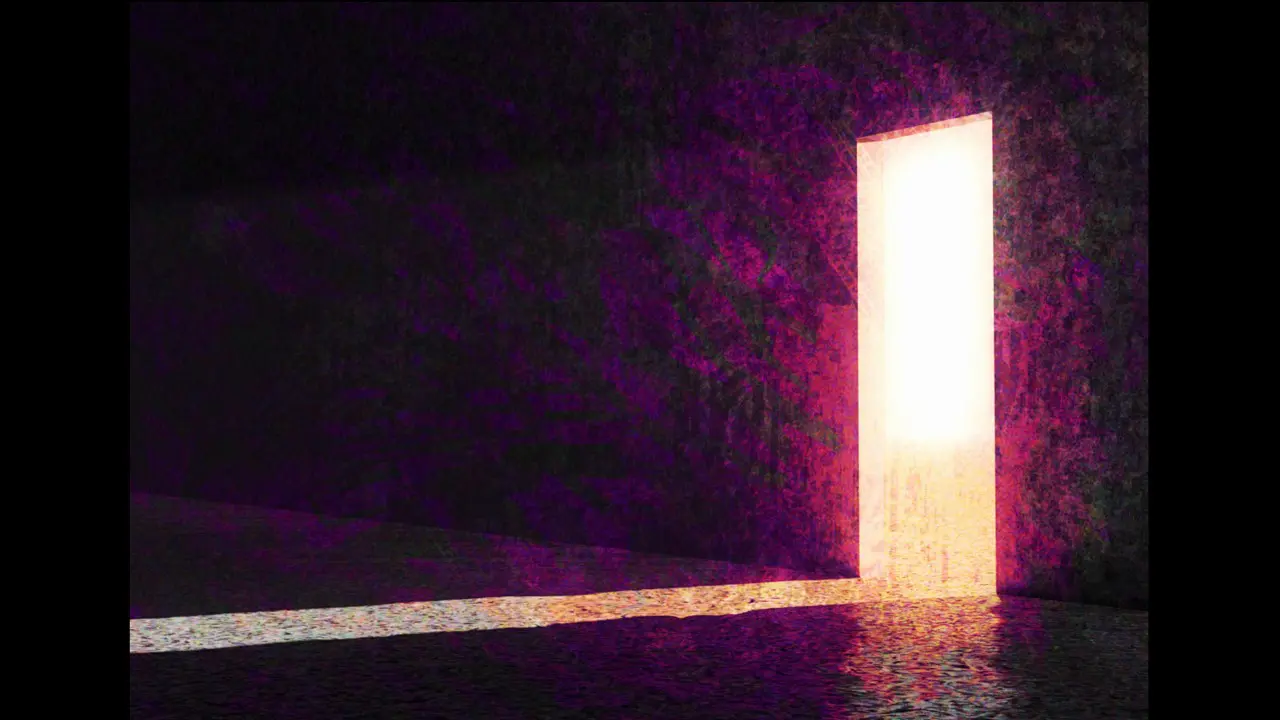
Main illustration: Digital painting by Ellie Abela, commissioned by Drachma.
| Cookie | Duration | Description |
|---|---|---|
| cookielawinfo-checbox-analytics | 11 months | This cookie is set by GDPR Cookie Consent plugin. The cookie is used to store the user consent for the cookies in the category "Analytics". |
| cookielawinfo-checbox-functional | 11 months | The cookie is set by GDPR cookie consent to record the user consent for the cookies in the category "Functional". |
| cookielawinfo-checbox-others | 11 months | This cookie is set by GDPR Cookie Consent plugin. The cookie is used to store the user consent for the cookies in the category "Other. |
| cookielawinfo-checkbox-necessary | 11 months | This cookie is set by GDPR Cookie Consent plugin. The cookies is used to store the user consent for the cookies in the category "Necessary". |
| cookielawinfo-checkbox-performance | 11 months | This cookie is set by GDPR Cookie Consent plugin. The cookie is used to store the user consent for the cookies in the category "Performance". |
| viewed_cookie_policy | 11 months | The cookie is set by the GDPR Cookie Consent plugin and is used to store whether or not user has consented to the use of cookies. It does not store any personal data. |
| Cookie | Duration | Description |
|---|---|---|
| Google Analytics |
